Undergraduate Course Development + Teaching
Chapman University: Undergraduate Course Development + Teaching
As an Assistant Professor in Chapman University’s Department of Art (Design Program), my teaching and course development focus on integrating design research, making, and critical approaches to design into undergraduate education. My work supports the program’s broader transition from a traditional Graphic Design curriculum to a more expansive, interdisciplinary Design program.
Across courses, I emphasize research-informed design processes, hands-on prototyping and making, and engagement with alternative approaches—including sustainability, ethics, material practices, and future-oriented thinking. These courses are designed to support students in moving beyond form-making toward more reflective, systems-aware, and critically engaged design practices.
GD 102: Research Methods I (Lecture-Based)
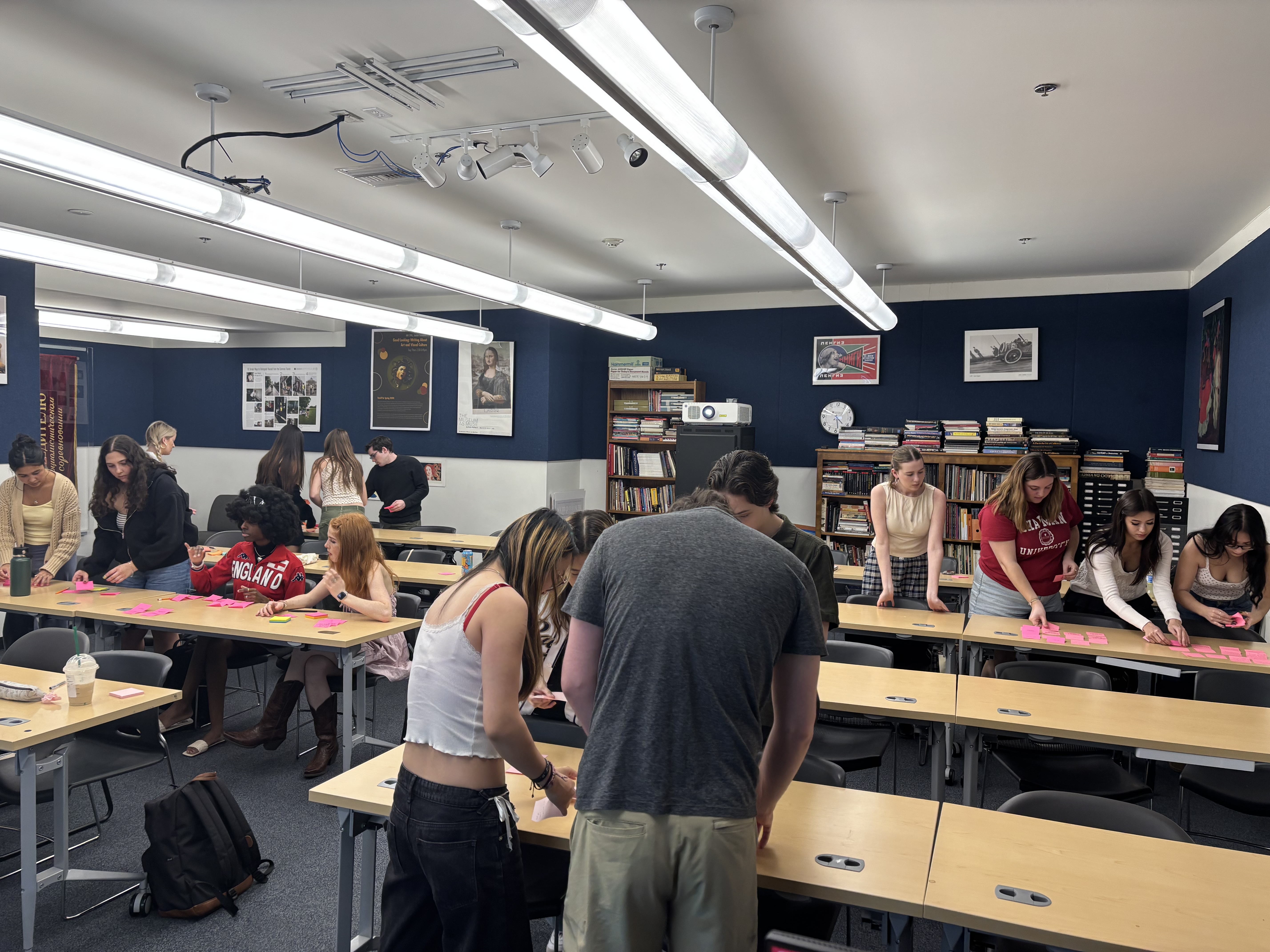
Redesigned to introduce foundational design research methods through structured, applied assignments. Students engage with a range of qualitative approaches—including observational research, interviews, case studies, and comparative analysis—while learning how to document, synthesize, and communicate insights. The course emphasizes developing an understanding of users, contexts, and systems, and introduces research as an integral part of the design process rather than a separate phase.
Required course for majors and minors. Offered annually in the Fall. Offered as needed in the Spring.
GD 105: Prototyping (Studio-Based)
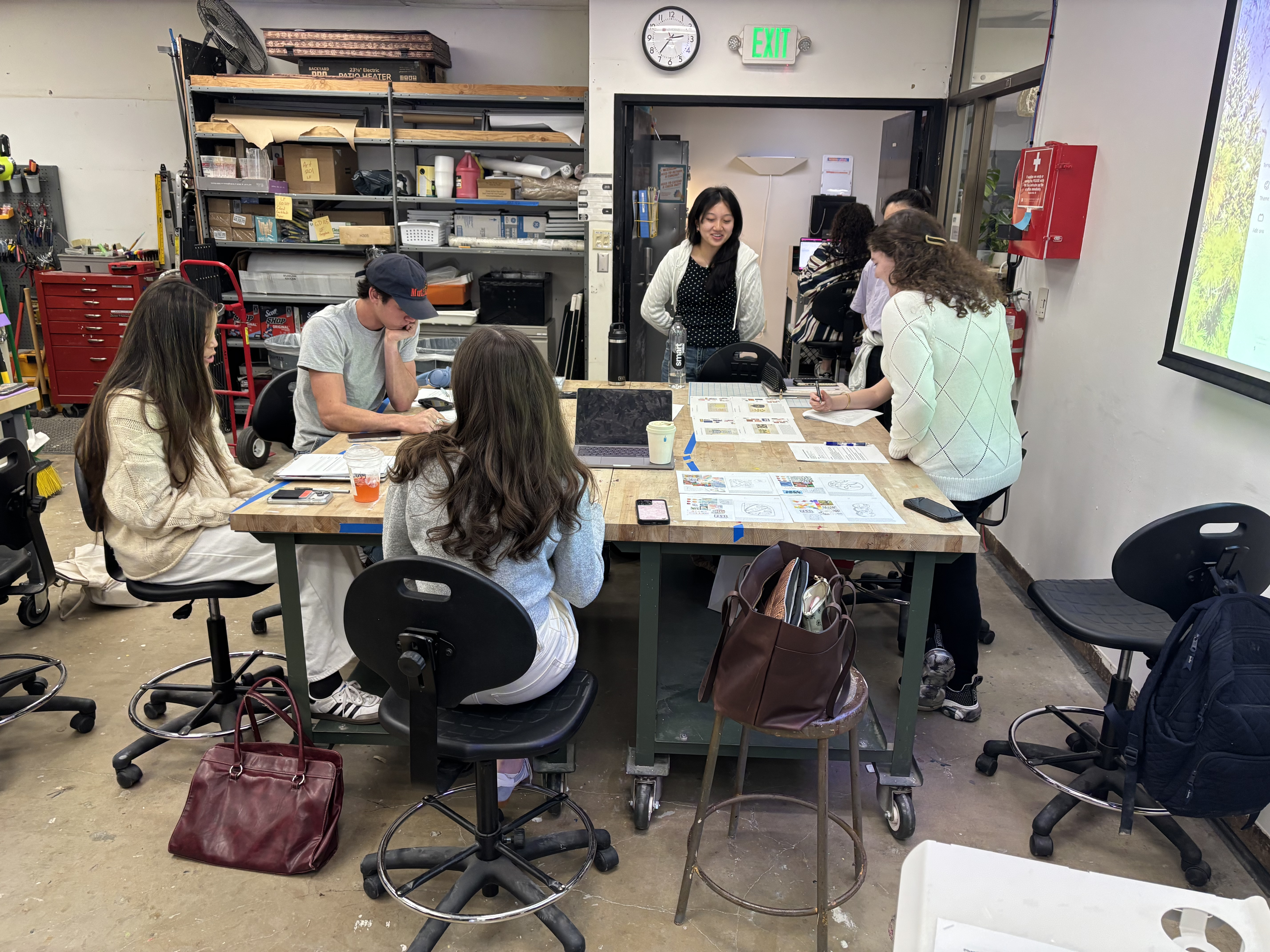
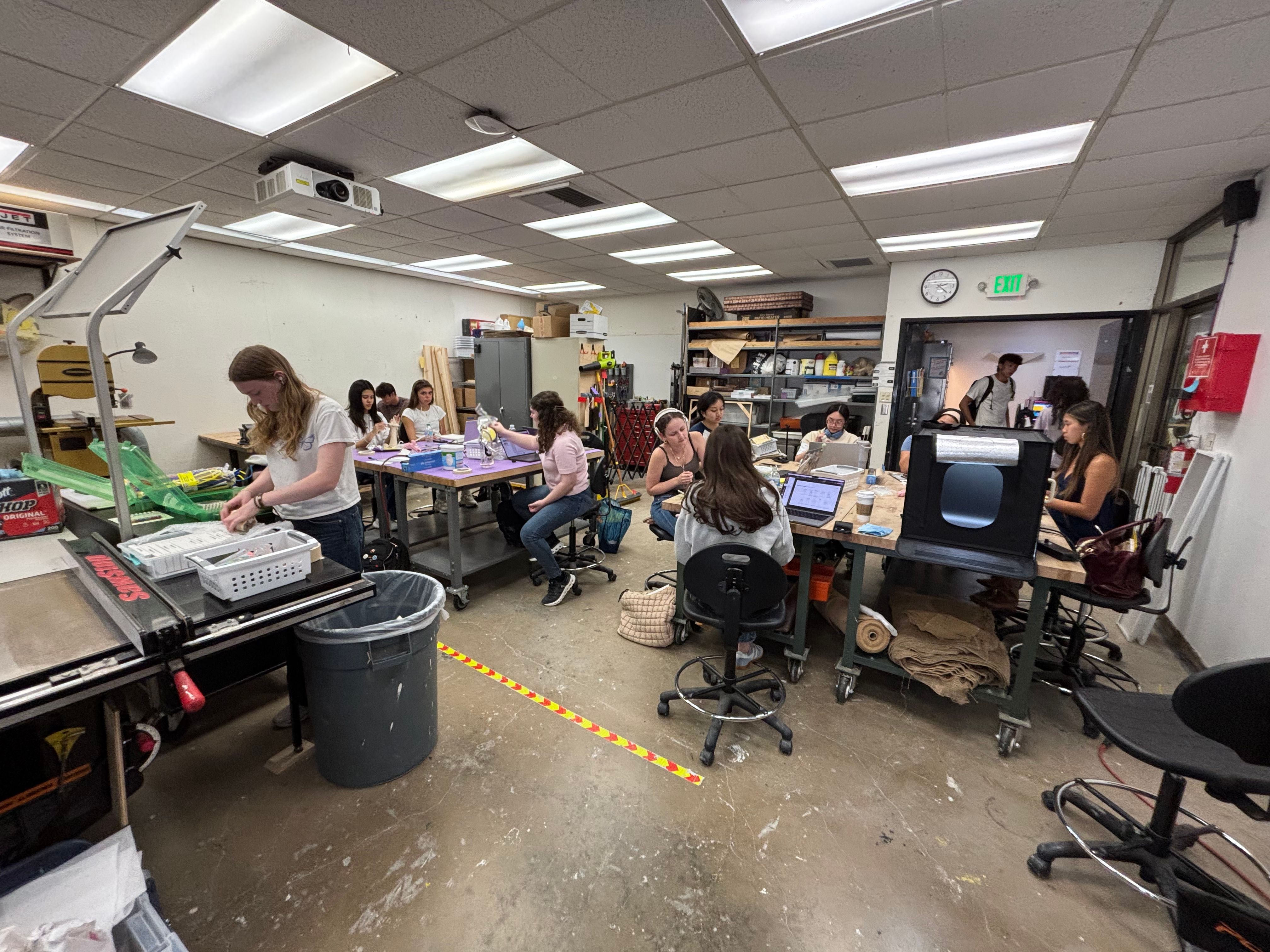
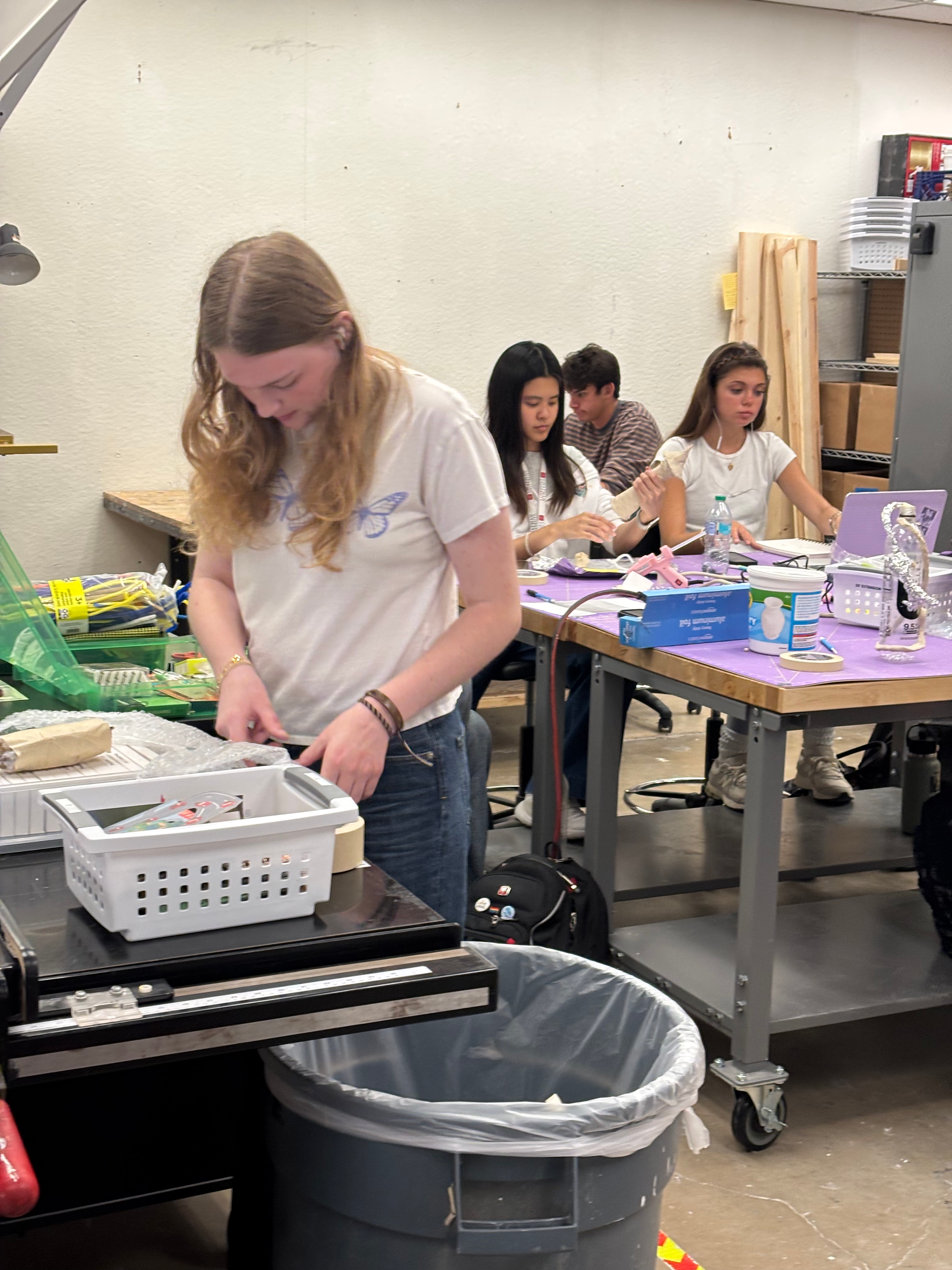
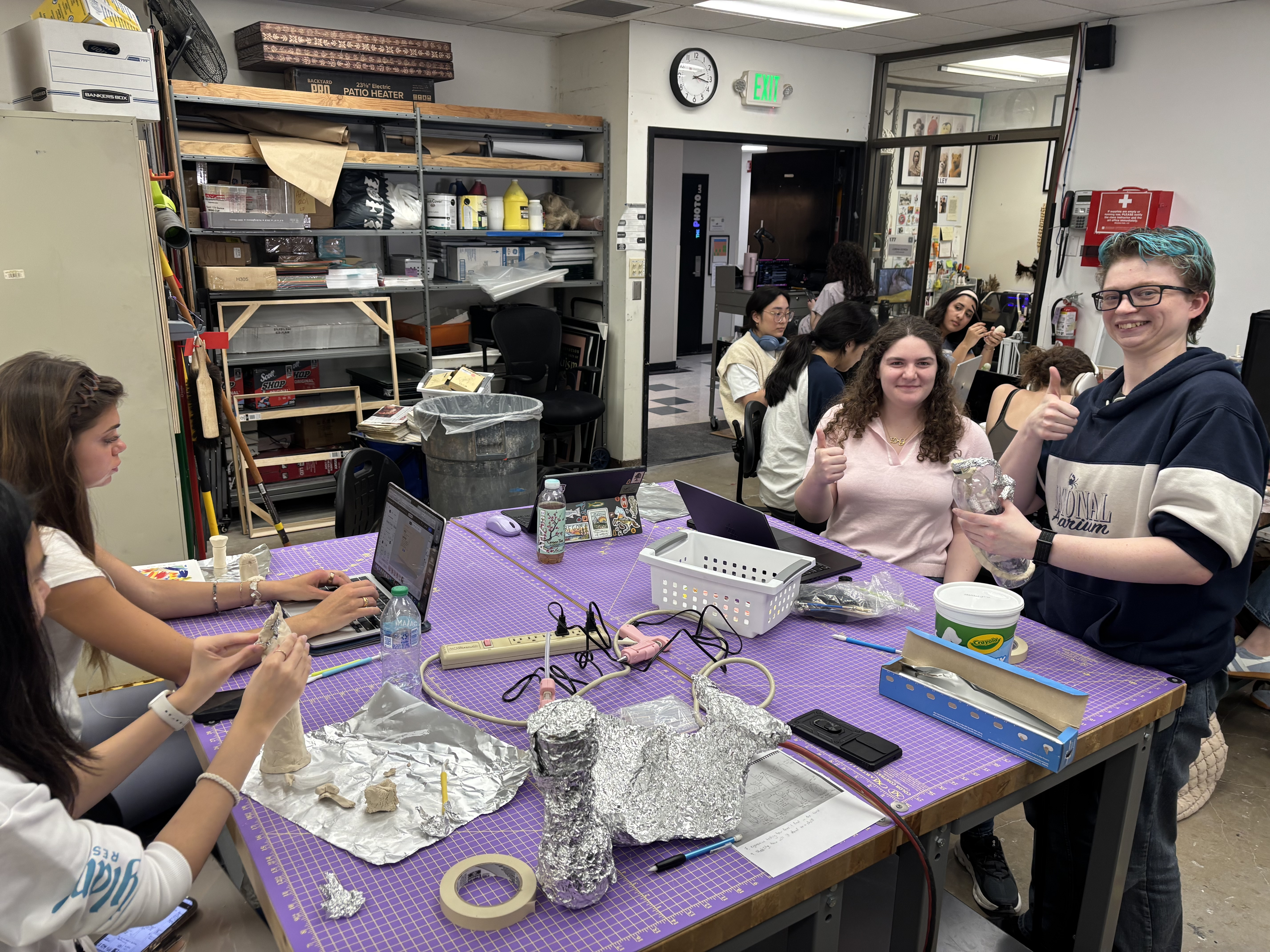
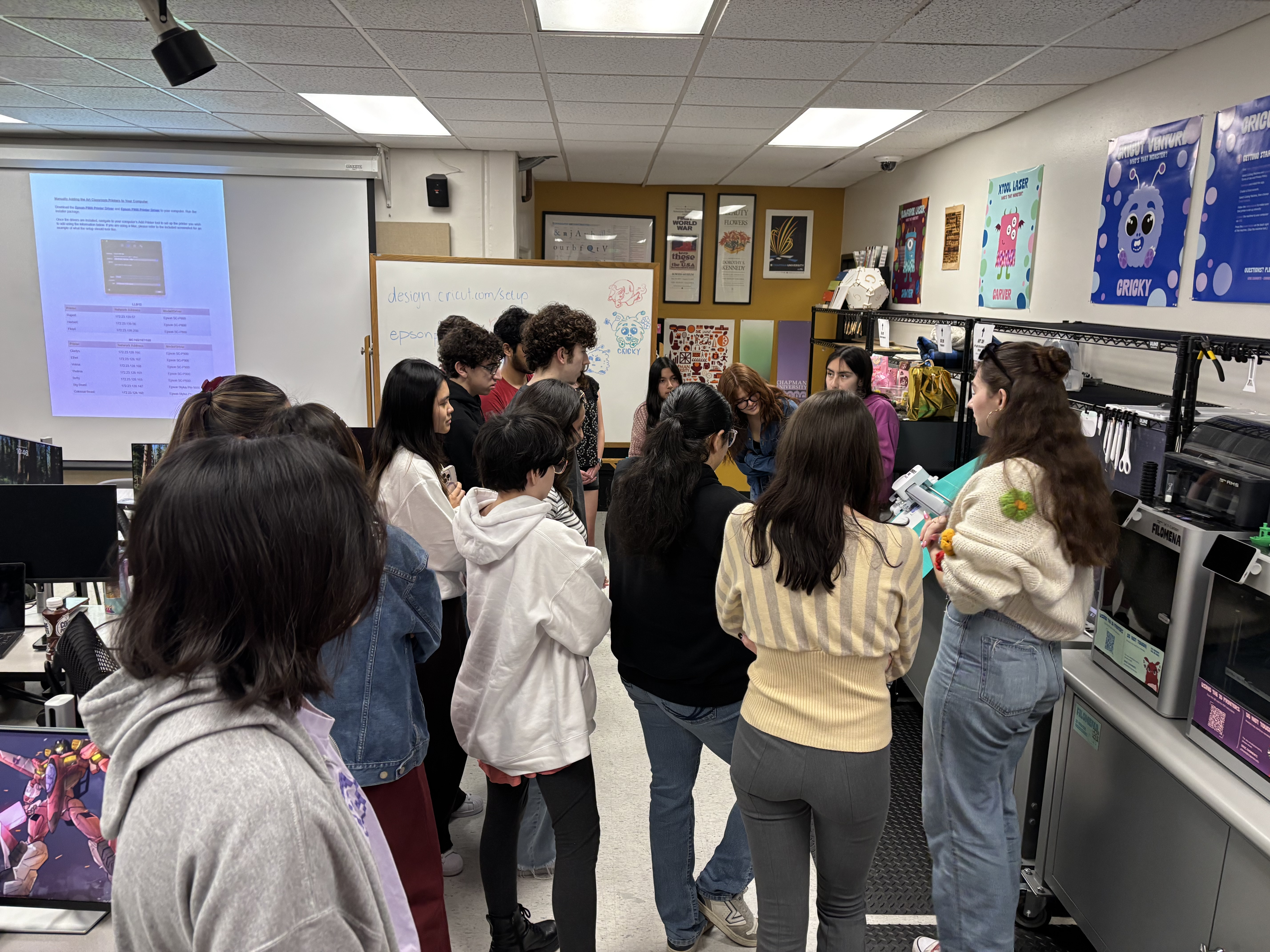
Co-developed as a hands-on studio course focused on interaction, form, and making. Students move from low- to medium-fidelity prototyping using a range of materials—including paper, found objects, and non-traditional materials—while gaining experience with makerspace tools such as Cricut Venture, Bambu 3D printers, and laser cutters.
Building on research skills introduced in GD 102, prototypes are positioned as tools for testing, iteration, and feedback rather than final outputs. Students explore how form, material, and interaction shape user experience, while developing practical making skills that prepare them for more advanced, project-based courses in the program.
Required course for majors, encouraged for minors. Offered annually in the Spring.
GD 212: Research Methods II (Studio-Based, In Development)
Designed as a continuation of GD 102, this course builds on foundational research skills through applied, studio-based projects. Students engage with a broader range of methods for both data collection and analysis as they relate to design research, with an emphasis on interpretation, synthesis, and translating insights into design opportunities.
The course is intended to support upper-level design coursework by strengthening students’ ability to connect research to design decision-making. It also prepares students for industry and graduate-level work by developing more advanced research, analysis, and communication skills within a design context.
Required course for majors, encouraged for minors. Offered annually in the Spring.
GD 312: Designing Tomorrow: Ethics, Technology, and Social Vision (Studio-Based)
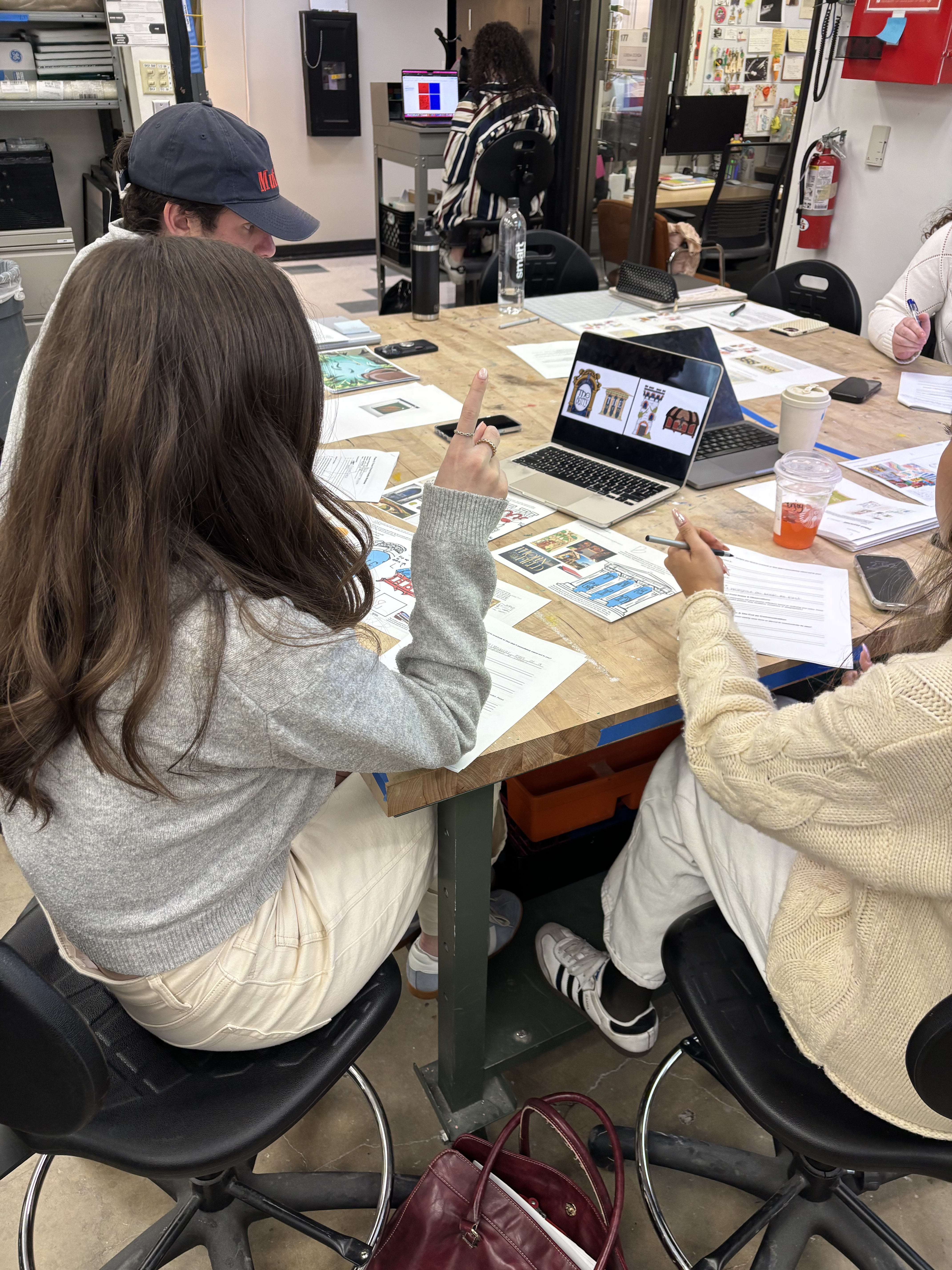
Designed as an upper-level course introducing students to critical approaches in design through research, making, and futures-oriented thinking. Students engage in a range of activities—including primary and secondary research, designing with non-traditional materials, prototyping, discussion, and media analysis—to explore ethical, social, and material dimensions of design.
Early assignments introduce methods such as cultural probes and design fiction, supporting research, interpretation, and speculative thinking. The course culminates in a multi-phase project introducing Child-Computer Interaction (CCI) through engagement with children’s ideas from the IDC Design Competition as an entry point. Students conduct research, develop concepts, and engage with instructor-facilitated child feedback, supported by frameworks such as Child’s Rights by Design and Developmentally Situated Design. This project from this course has been developed into a pedagogy-focused research paper, reflecting on teaching practices for introducing Child-Computer Interaction, currently under revise-and-resubmit with a Q1 journal. Miro board templates for this project will be made available publicly after paper publication.
Required course for majors, encouraged for minors. Offered annually in the Fall.
Simon Fraser University: Undergraduate Teaching
I have taught and done research for course development at the undergraduate level for the School of Interactive Arts and Technology (SIAT) at Simon Fraser University. The SIAT program trains undergraduate student on the creative development of digital technologies and the people who use them. Given both my technical design background and my expertise as a communication specialist, I was a choice graduate student to teach and do research for the school's "W" designated courses. "W" required courses focus on both verbal and written communication of design ideas and processes as well as fosters collaboration among peers via peer review writing workshops and portfolio critiques.
IAT 103W: Design, Communication + Collaboration
This course teaches the principles, practice and understanding of effective communication, research, critical thinking and teamwork that are needed within both face-to-face and virtual environments. The course’s assignments and activities present a variety of practical learning opportunities to practice and develop writing, communication and interpersonal skills, and make that expertise transferable from classroom to workplace. In today’s dynamic work and learning environments, students need to be prepared to deal with the numerous and diverse choices presented within their academic studies, the future workplace, and their personal lives. The abundance of information available will only create a more informed citizenry if we can all develop a complementary cluster of abilities that enable us to use and disseminate information effectively. The goal of Design Communication & Collaboration is to teach you essential skills that will enable you to negotiate your first year coursework successfully and provide a strong foundation for the rest of your academic career. This course teaches the principles, practice and understanding of effective communication, research, critical thinking and teamwork that are needed within both face-to-face and virtual environments. The course’s assignments and activities present a variety of practical learning opportunities for you to practice and develop writing, communication and interpersonal skills, and make that expertise transferable from classroom to workplace.
To learn more see: http://www.sfu.ca/outlines.html?2019/spring/iat/103w/d100
Employment: Simon Fraser University, School of Interactive Art + Technology
Sessional Instructor 9/2015-12/2015,~30 students
Teaching Assistant 05/2015-08/2015 (Instructor: Kristin Carlson), ~30 students
IAT 309W: Writing for Design, Media + Informatics
This course helps students to develop critical thinking, research, and writing strategies that can be adapted to a wide range of professional communication situations related to design, media arts and technology. IAT309W prepares students for the demands of a high-tech workforce that values collaboration among artists, engineers, designers, and project managers– professional writers who must be able to adapt their communications effectively to meet the needs of experts and lay audiences.This course helps students to develop critical thinking, research, and writing strategies that can be adapted to a wide range of professional communication situations related to design, media and technology. Through the exploration of research methods and contexts, students recognize written documents as applications of critical thinking and communication principles and learn to shift content, as well as authorial voice and tone, across modalities of writing. Students use low-stakes and high-stakes writing activities to identify the needs of an audience and to apply the appropriate writing strategies required to avoid audience resistance. Regular feedback and weekly workshops and peer reviews allow students to practice revision strategies that will enhance skill development and professional writing image. Over the course of the term, students will develop a critical writing portfolio and a major research project. Both signature projects will demonstrate each student’s ability to incorporate the analytical skills, planning and research skills and revision skills practiced throughout the course.
To learn more see: http://www.sfu.ca/outlines.html?2019/spring/iat/309w/d200
Employment: Simon Fraser University, School of Interactive Art + Technology
Sessional Instructor 05/2016-08/2016, ~30 students
Teaching Assistant 09/2012-12/2012, 09/2014-12/2014 (Instructor: Chantal Gibson), ~30 students
IAT 201: Human-Computer Interaction + Cognition
This course takes a scientific approach to understanding human perceptual and cognitivecapabilities and how they can inform the design and evaluation of interactive systems. Introduces topics in human perception, cognition and embodied action as a foundation of design for human use. It explores the practical application of techniques for analyzing diverse interactive situations and designing effective user interfaces. Students will engage in the analysis and design of a simple user interface, gaining detailed knowledge and experience with the standard basic techniques for interface specification, prototyping and evaluation. This course applies scientific knowledge about human mental capabilities to the design and evaluation of computer interfaces. This includes knowledge about the cognitive processes of designers (i.e. “design thinking”) as well as those who will use the technologies we create. Our approach to human-computer interaction begins with Herbert Simon’s Sciences of the Artificial and cognitive engineering approaches from W. Brian Arthur and Donald Norman, applying them to the challenges of modern software design. As the diversity of interfaces and uses of computing technology increase, interface design must take into account aspects of human psychology such as perceptual learning, visually-enabled reasoning, emotion, and interpersonal communication. The course will review human information processing psychology as a scientific basis for interaction design. Using that perspective we will discuss human cognitive abilities such as perception, thinking, learning and remembering. We then introduce alternative perspectives from ecological perception and distributed cognition.Our approach to understanding “design thinking” uses theory and methods from design and educational psychology, including Bloom’s Taxonomy, Perry’s Scheme, and Schön’s Reflective Practitioner approach. Learners are called upon to reflect upon their own personal approach to design, to learn how to make informed design decisions, and to be able to discuss the pros-and-cons with colleagues. They then apply their approach to human-computer interface design problems. Our overall goal is to support learners to build a reflective interface design process, grounded in an understanding of human cognition, that can be used to design stand-alone applications and complex software ecosystems.
To learn more see: http://www.sfu.ca/outlines.html?2019/spring/iat/201/d100
Employment: Simon Fraser University, School of Interactive Art + Technology
Teaching Assistant 09/2013-12-2013 (Instructor: Brian Fisher), ~100 students